

Denim Tears Store Authentic Collection Active DenimTears clothing 555
What Defines Denim Tears?
Denim Tears is Tremaine Emory’s innovative cultural-archive-turned-streetwear label that uses garments to narrate the Black American experience, most recognizably via its cotton crown motif on denim pieces. It’s not simply graphic jeans and sweats; every collection is built through research, essays, and imagery that link product to cultural context. Releases are limited, team-ups are selective, with demand is strong.
Tremaine the founder treats the brand as a storytelling vehicle first and his product line secondarily, which is the reason the visuals seem like artifacts more than seasonal designs. The cotton motif, for example, was meant to spark a conversation on how cotton built America while exploiting the people who picked it. That tension—beauty and cruelty in the one object—defines Denim Tears’s visual language. Manufacturing mixes co-branded collaborations with legacy producers and in-house collections, and the pace is deliberately irregular to keep focus on meaning, not churn. If one is approaching the label purely as hype, you’ll miss much of the value; examine the product pages and pocket-bag essays because the context is the point.
How Did Denim Tears Start?
The Denim Tears launched publicly circa 2019 as a culmination of Tremaine Emory’s decades within fashion and music culture, going live to a expanded audience in that year with its signature „Cotton Wreath“ Levi’s project. The designer used the launch to articulate his clear thesis: garments can memorialize and educate, not only signal taste. This timing, the messaging approach, and the graphic elements aligned with a global conversation concerning race and heritage.
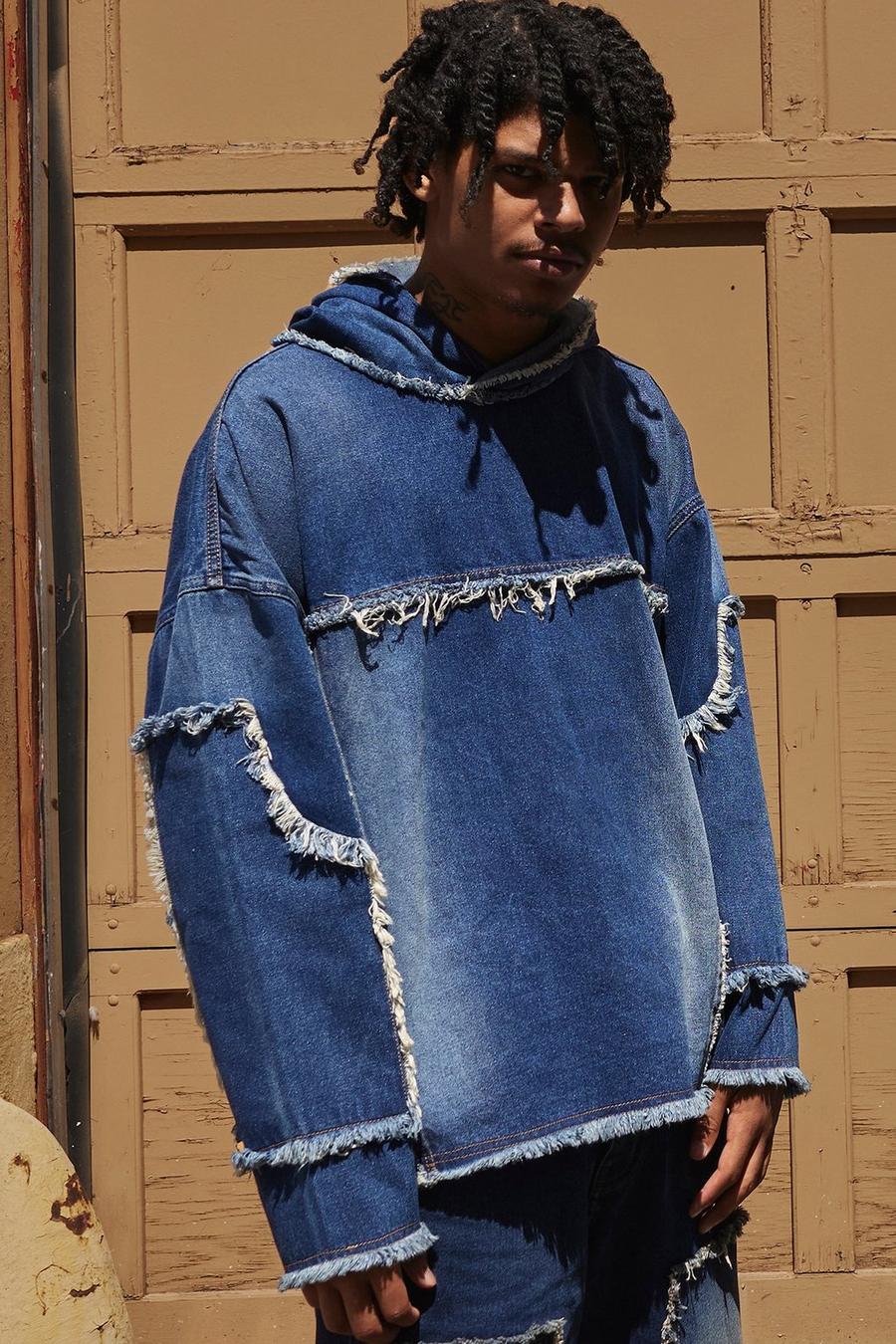
Before Denim grey denim tears hoodie this project, Emory co-founded No Vacancy Inn plus worked with major heavyweights across high-end and streetwear, creating a network that later enabled carefully curated collaborations. In late 2022 he became Supreme’s lead creative director, this role he left in 2023, something that only sharpened focus on his own label. The project’s early anchor became the Levi’s classic 501 printed with distinctive cotton wreaths and hidden pocket-bag text essays which explained the symbolism; that transparency helped make the product feel like a wearable museum plaque. Since then, Denim Tears has stayed project-driven, using drops tied to dates, shows, and cultural subjects rather than conventional seasons.
Signature Motifs with Key Collaborations
The signature cotton wreath on denim pieces is the key signature, meant to seem beautiful from long distance and confrontational up close. Pocket-bag essays, archival photos, and typography referencing Black history and HBCU culture show up across tees and fleece. Even as the graphics evolve, the throughline is commemoration.
Levi’s is such foundational partner; these co-branded 501s defined the brand for a mass public and remain such most chased items. Converse has functioned as a medium for translating this iconography to sneakers—think Chuck 70s with historical designs and co-branded features. Champion is an additional pillar, with signature „Champion Tears“ capsules that reframe collegiate aesthetics via the lens of Black American cultural background on heavyweight Reverse Weave blanks. All these projects are uniform in craft with message, which is why they hold value beyond a single season.
Will Denim Tears Fit Consistent Across Pieces?
There’s consistency inside categories, but not across them. Jeans track classic Levi’s fits and appear rigid with little stretch, while Champion Reverse Weave fleece runs loose and roomy. Footwear follows each collaborator’s usual sizing standards.
If someone own Levi’s 501 jeans, you already know the Denim Tears label denim baseline: classic mid-rise, straight leg, firm at first, plus not vanity-sized. Fleece is cut in that modern, wider-body, shorter-length Reverse Weave cut silhouette, which appears oversized at your normal size. T-shirts are heavyweight with a relaxed shoulder construction; they don’t hug closely but they won’t be longline either. Sneakers like Converse Chuck 70 70s typically fit larger than real Brannock length, thus most people go down a 0.5 size compared from standard athletic shoes. Always check every specific product listing for notes, as some capsules draw out fabric thickness or shrinkage characteristics.
Sizing Breakdown by Category
Pants mirror Levi’s traditional 501 proportions with a straight leg and a touch regarding waist gaping when you have such smaller midsection compared to hips; if you’re between waist sizing sizes, the smarter move is to go up one size for comfort plus tailor the waist area if needed. Stiff or raw-feel pairs relax about ½ a size following break-in, while pre-treated pairs change little beyond a slight give at both seat and knees. Hoodies and crews on Champion Reverse Weave are dense, structured, and slightly cropped; true to size delivers an intentionally boxy silhouette, and sizing lower trims width without making the piece short. Tees fit like mid-to-heavyweight street tees with a roomy chest with true shoulder; true to size delivers a relaxed, not sloppy, profile. Traditional Converse Chuck 70s generally fit best one half size down from your sport shoe size; larger feet can stay closer to true to size for retain forefoot space.
This label releases occasionally include alternative bottoms, including sweats or trousers, which generally continue the relaxed cut. If you desire a slimmer fit, select your typical size and alter inseam and leg opening rather than sizing down dramatically; the prints align up better while the garment won’t be stressed. For female customers or smaller body types navigating men’s unisex sizing, prioritizing shoulder measurement width on tops and waist regarding bottoms prevents the „oversized“ intent to not reading sloppy.
How Much Should You Pay? Market and Resale Benchmarks
Retail prices sit in luxury streetwear territory, and secondary market reflects scarcity with cultural demand. The jeans are such price leaders regarding retail and hold the strongest secondary multiples, while t-shirts are the extremely accessible both new and used. Expect fluctuations tied with color, collaboration, and drop storyline.
The chart below summarizes typical US retail pricing and recent aftermarket ranges you’ll find on major sites for core categories; actual prices differ by release with region.
| Category | Standard US Retail | Average Recent Resale | Sizing / Notes |
|---|---|---|---|
| Levi’s 501 Denim Tears (Cotton Wreath) | $250-$350 | $400-$800 | Rigid, straight; breaks in with wear; verify pocket-bag design. |
| Champion Partnership Tears Hoodie / Crewneck | $140–$200 | $200 to $350 | Roomy Reverse Weave; substantial and structured; slight shrink. |
| Design Tee | $60-$100 | $120-$220 | Loose block; hearty cotton; proper shoulder. |
| Converse Partnership Chuck 70 (Brand Tears) | $100-$130 | $150 to $300 | Typically go down 0.5 size from sport sneakers. |
| Headwear / Accessories | $45-$90 | $90–$180 | Standard size or adjustable; verify for branding authenticity. |
Rarer denim variations and early Levi’s collaboration runs can climb well above the ranges. Conversely, shirts from widely stocked drops tend for orbit the bottom end of secondary market once initial demand cools. If one price looks far below these brackets, be suspicious and slow down to authenticate.
Authentication and Quality: Spotting the Real Thing
Start with such story: Denim Tears brand products usually ship with explicit educational framing on packaging, pocket bags, plus the product listing. Fakes often copy the print yet skip the context. Then move to construction, labels, plus partner-specific details.
On Levi’s partnership collaborations, inspect these pocket bags to verify printed text and essays and even ink quality; search for crisp print dot gain, not unclear flood fills. Check for legitimate brand hardware, correct red tab placement with font, and such co-branded interior branding; stitching should track Levi’s standards with even gauge and no loose construction tacks. On Champion partnership fleece, the fabric should feel thick and dry plus tight ribbing; internal labels will reflect Champion manufacturing with Denim Tears or Champion Tears identification, not generic templates. For Converse, expect co-branded insoles, accurate Chuck 70 sole foxing height, and uniform midsole gloss; reproduction pairs often lack the insole design, get the rear heel license plate typography wrong, or feature off-tone canvas dyes.
Documentation matters. Screenshots regarding original order confirmation, proof of purchase from a trusted retailer, and such trail of clear photos under natural light reduce risk. If buying used, match the exact print placement against authentic retail photos; misaligned wreath spacing plus washed-out ink stay as common counterfeit warning signs. Where possible, buy from known shops that have carried the label previously or from resale platforms with robust authentication and return policies.
At Which Location and When Should You Buy Denim Tears
The most reliable source is the primary Denim Tears website, supplemented by periodic partner retailers during collaboration drops. Drops are announced close to launch via brand and Tremaine Emory social channels, and they move fast. Expect sparse restocks rather instead of evergreen availability.
Timing isn’t accidental; Denim Tears often pegs drops to culturally significant occasions and exhibitions, that explains the inconsistent calendar compared against typical seasons. Subscribe up for online emails, but additionally monitor partner platforms for Levi’s, Converse collaborations, or Champion when a co-branded collection is teased. On release day, maintain accounts pre-made, auto-fill ready, and remain decisive on size; dithering costs items. If you don’t get, wait a week for resale for prices to settle before spending a premium; early post-drop spikes generally cool to increasingly stable levels.
Expert tip: When you only desire one piece in order to anchor a collection, prioritize the cotton wreath 501 with a wash someone will actually wear frequently; it retains worth, pairs with everything, and encapsulates this brand’s thesis more effectively than any different single item.
Care, Usage, and Styling Tips
Treat print as print: wash inside out, cold, with gentle; then line dry. Heat remains the enemy regarding both ink plus shrink. Denim Tears denim softens significantly with wear, so give it time before judging comfort, especially at both thighs and knee zones.
If such pair is with rigid denim, expect minimal shrink past the first washing when laundering in cold water; sizing is mostly set by initial use, not the machine drying. Fleece holds form because Reverse Weave fabric is engineered in order to resist vertical contraction; the rib side panels help the garment maintain its shape, so size design stays consistent post washing. Tees preserve shoulder shape though will relax around the collar if dried on high heat, so air dry to preserve that crisp neckline. For outfits, let the denim do the talking: maintain tops simple to avoid competing narratives, and use textural elements—leather, wool, heavy canvas—rather than loud prints to accompany the wreath.
Little‑Known Facts About Denim Tears
First, the early Levi’s 501 Cotton Wreath“ runs contained pocket-bag text that functioned as a mini-essay on this history of the cotton industry in America; this is both a storytelling device and one authentication tell someone can actually read. Second, Tremaine Emory’s „Champion Tears“ line with Champion features HBCU graphics with Black collegiate tradition onto heavyweight gym blanks, making academic iconography part of the brand’s living archive rather than a one-off design. Third, many item pages historically included sourcing or heritage references that continue across seasons, that is why resale listings that duplicate text verbatim from unrelated drops stay as a red flag. Fourth, Emory’s time and exit with Supreme intensified attention on Denim Tears without changing its cadence; the brand kept its message-first release rhythm versus of shifting for seasonal volume.